New design or replacement transformer?
Start by explaining the work: a design assessment for a new circuit, manufacture to an existing drawing, or an alternative to a transformer already in use. Each needs different supporting information.
For an existing part, include photographs, markings, a pin diagram, winding information and drawings where available. Matching its appearance does not establish equivalence. For a new design, describing the circuit's operating conditions is a more useful starting point.
1. Specify input and output ranges
State whether the input is AC or DC, including its minimum, nominal and maximum values. If these describe a converter's supply input, remember that this voltage is not necessarily applied directly across the transformer winding. A circuit diagram clarifies the distinction.
List voltage, continuous current and any short-duration load requirement for each output. Explain whether multiple outputs are loaded simultaneously or in different operating states. Manufacturer transformer worksheets likewise collect input and output requirements separately. [1]
Instead of simply requesting a “24 V, 100 W transformer”, identify which side those values describe and the intended load conditions.
2. Include frequency and circuit topology
A mains-frequency transformer and a transformer in a switching converter need different operating descriptions. For an SMPS, share the topology, switching-frequency range and operating mode if known.
Energy storage in a flyback requires a different design approach from other transformer applications. “Ferrite transformer” therefore does not identify the topology. [2]
Include a controller part number, schematic, duty-cycle limit or winding voltage waveform if available. Do not present undecided values as final requirements. Explain where design input is needed.
3. Define insulation and test expectations
Identify which windings require electrical isolation, their working voltages and the end application. Share any applicable project standard and approved test specification. Clearly describe test voltage, duration and the winding pairs to be tested.
Avoid leaving the requirement at “high isolation”. Availability of the requested tests or documentation must be established during quotation. A core or bobbin document alone does not establish compliance of the completed transformer or equipment.
4. Add mechanical and thermal limits
Give maximum length, width and height. For PCB mounting, show pin spacing, connection orientation and clearance around neighbouring components on a drawing. For wired connections, state lead lengths and termination needs.
Include ambient temperature, cooling method and permitted temperature rise. Transformer losses and winding construction affect thermal behaviour; fitting the available space is only one requirement. [3]
5. Separate prototypes, production quantities and acceptance criteria
State the initial prototype quantity separately from anticipated production orders. Share a desired delivery date as a target. Lead time is established after technical and supply review.
Discuss how samples will be accepted. Where specified, include inductance, turns ratio, DC resistance, leakage inductance and insulation-test requirements, with tolerances and measurement conditions. Ask for assessment where design targets remain undecided.
A checklist to copy into your enquiry
- Purpose: new design / manufacture to drawing / replacement.
- Application, schematic or controller details where available.
- Input: AC/DC and minimum / nominal / maximum voltage.
- Outputs: voltage, current and loading for each winding.
- Operating frequency; SMPS topology and known operating mode.
- Insulation, testing and applicable standard requirements.
- Maximum dimensions, pin or lead layout and mounting drawing.
- Ambient temperature, cooling and thermal limits.
- Existing electrical targets and measurement conditions.
- Prototype quantity, anticipated production quantities and target delivery date.
How to send your request to Artek
Send the completed checklist to Artek with the documents you have. Visit the transformer page for service information. Manufacturing suitability, test scope and delivery terms are assessed for your request.
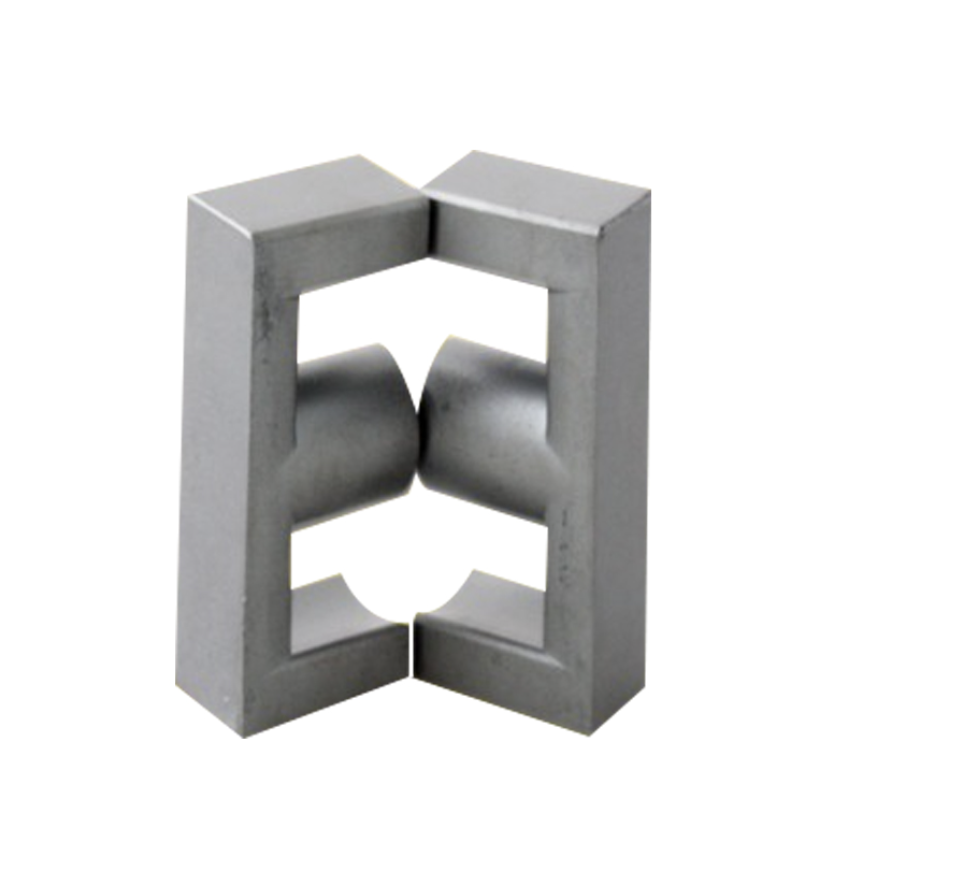
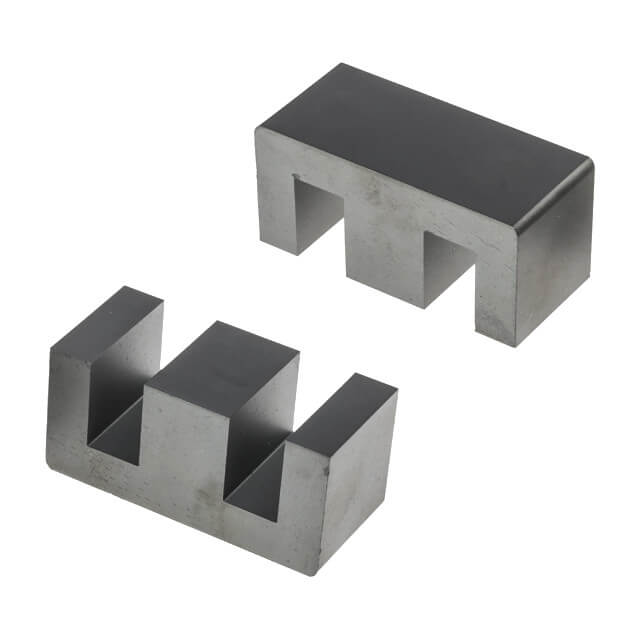
The related products below are EE and ETD cores that may arise during transformer assessment. They are components, not completed custom transformers; suitability for a particular design needs separate review.
Frequently asked questions
Can I enquire with only a sample?
For an initial review, share sample photographs, readable codes, dimensions and application information. The measurements or documents needed to resolve missing electrical information can then be identified.
Should I choose the core before asking for a quote?
Share a core designation if your existing design specifies one. For a new design, provide the space and operating requirements rather than making an unconfirmed core choice mandatory.